
Appraisal vs Home Inspection: A Buyer's Guide
Appraisal vs home inspection what buyers need to know: one protects the lender, the other protects you. Learn how each report can affect your deal and closing.

By Henry Turner
You have found the house, negotiated a price, and now the clock is ticking on two separate evaluations that can make or break your purchase. Many buyers lump the appraisal and the home inspection together as one vague step in the closing process, but they serve completely different purposes, protect different parties, and can trigger very different outcomes. Understanding the distinction between an appraisal and a home inspection is not just academic: it can save you thousands of dollars, prevent surprise repair bills, and keep your closing on schedule. Here is what every buyer needs to know about appraisal vs home inspection.
Who Orders Each Report and Who It Protects
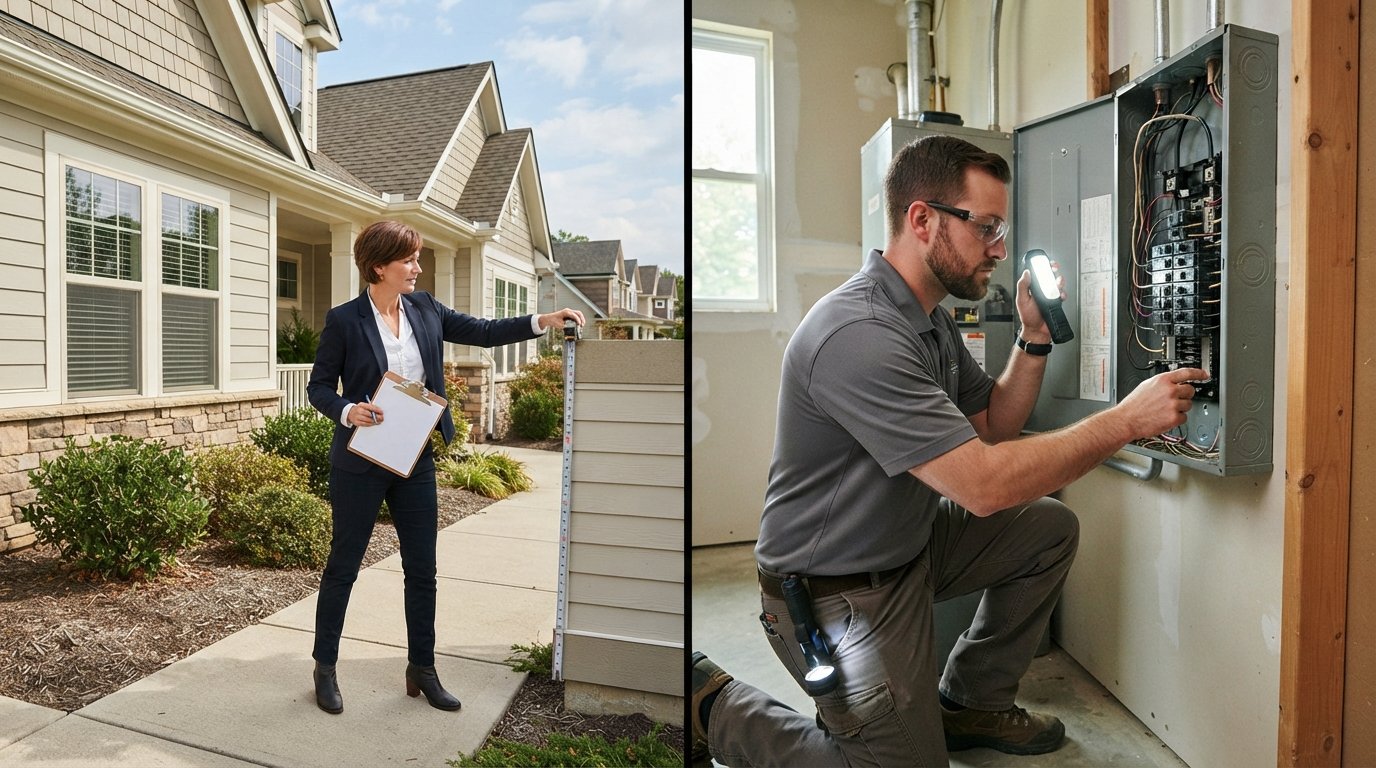
The first and most fundamental difference is who orders the report and whose interests it serves. An appraisal is ordered by the mortgage lender, not by you. The lender needs an independent opinion of the property's market value before it will approve a loan, because the home serves as collateral for the mortgage. The appraiser works for the lender, and the report is written for the lender's risk assessment. You typically pay for the appraisal as part of your closing costs, but the lender selects or approves the appraiser from a panel, and the report is addressed to the lender.
A home inspection, by contrast, is ordered by you, the buyer. It is a voluntary step (though strongly recommended) that you arrange with a licensed home inspector of your choosing. The inspector works for you and produces a report detailing the condition of the property, including any defects, safety issues, or maintenance needs. The inspection protects your interests as the future owner, not the lender's. It is not required by law in most states, but skipping it is one of the most common regrets buyers report after closing.
This distinction matters because it shapes what each report covers and how you can use it. The appraisal is a valuation tool for the lender; the inspection is a condition assessment for you. Mixing them up can lead to unrealistic expectations, such as assuming the appraiser will flag a leaky roof or that the inspector will tell you whether the price is fair. In reality, each professional stays in their lane, and buyers who understand this division of labor can plan more effectively. For a deeper look at how the inspection fits into the broader loan approval sequence, see our guide on the home inspection role in the mortgage process.
What an Appraiser Checks vs What a Home Inspector Documents
The scope of each evaluation is another key difference. An appraiser's job is to determine the property's market value as of a specific date. To do this, the appraiser will research recent sales of comparable homes in the area, analyze market trends, and inspect the property's size, layout, condition, and features. The appraiser typically performs a visual walk-through, takes measurements and photos, and notes any obvious issues that could affect value, such as a damaged roof or foundation cracks. However, the appraiser does not test systems or look behind walls. The final appraisal report includes the appraised value, the comparables used, and any conditions or deficiencies that might affect the lender's decision.
A home inspector, on the other hand, conducts a much more detailed, hands-on evaluation of the property's systems and components. A standard inspection covers the roof, attic, insulation, ventilation, foundation, basement, crawlspace, electrical system, plumbing, heating and cooling systems, interior walls, ceilings, floors, windows, doors, and exterior features like siding, grading, and drainage. The inspector will test outlets, run faucets, operate the furnace and air conditioner, and look for signs of water intrusion, pest activity, or structural problems. The resulting report is a comprehensive document that describes the condition of each component, notes any defects or safety hazards, and often includes recommendations for further evaluation by specialists.
To summarize the core differences, here is a quick comparison:
- Appraisal: Ordered by the lender, focuses on market value, visual walk-through, influences loan approval, protects the lender.
- Home inspection: Ordered by the buyer, focuses on condition and safety, hands-on evaluation, influences purchase decision, protects the buyer.
- Appraisal report: States an opinion of value and lists comparables; used to justify the loan amount.
- Inspection report: Lists defects, maintenance items, and safety concerns; used to negotiate repairs or credits.
Neither report replaces the other. A home can appraise for the contract price yet have significant hidden defects that the inspection reveals. Conversely, a house can pass inspection with flying colors but appraise for less than the agreed price, throwing the financing into question. Buyers need both pieces of information to make a fully informed decision.
How Inspection Findings Can Reopen Price Negotiations or Kill a Deal
Once you receive the home inspection report, you have a window of time (specified in your purchase contract) to respond. If the inspection reveals material defects, you have several options. You can ask the seller to make repairs before closing, request a credit toward your closing costs, renegotiate the purchase price, or walk away if the contract includes an inspection contingency. The inspection contingency is your safety net: it allows you to cancel the deal and recover your earnest money if you are not satisfied with the property's condition, provided you act within the contingency period.
Common inspection findings that trigger renegotiation include roof damage, foundation issues, outdated electrical systems, plumbing leaks, mold, and HVAC problems. Sellers are not obligated to agree to your requests, but in many cases they will negotiate to keep the deal alive, especially if the defects are significant and would likely scare off other buyers. If the seller refuses to budge and the problems are serious, you can exercise your contingency and walk away. This is why the inspection contingency is one of the most important protections a buyer can have.
It is important to note that inspection findings do not automatically give you leverage. In a hot seller's market, sellers may be less willing to make concessions, and some buyers choose to waive the inspection contingency to make their offer more competitive. Waiving the inspection is risky: you give up the right to renegotiate or cancel based on condition issues. If you decide to waive it, consider bringing a contractor to the showing for an informal assessment, and budget for potential repairs after closing.
Appraisal Contingencies and What Happens When Value Comes in Low
The appraisal contingency is a separate clause in your purchase contract that protects you if the home appraises for less than the contract price. Lenders will only lend up to a certain percentage of the appraised value (the loan-to-value ratio, or LTV). If the appraisal comes in low, the lender may approve a smaller loan than you requested, leaving you to cover the difference in cash or renegotiate the price with the seller.
For example, suppose you agree to buy a home for $400,000 with a 20 percent down payment and a $320,000 loan. If the appraisal comes back at $380,000, the lender may only lend 80 percent of that amount, or $304,000. You would need to come up with an additional $16,000 to close, or ask the seller to lower the price to $380,000. If you have an appraisal contingency, you can cancel the contract and get your earnest money back if you cannot reach an agreement. Without the contingency, you risk losing your deposit if you back out.
A low appraisal does not necessarily mean the deal is dead. You have options: you can challenge the appraisal if you believe it is inaccurate (lenders have a process for reconsideration of value), you can negotiate with the seller to split the difference, or you can bring more cash to the table. Some buyers also choose to switch to a different loan program with a higher LTV limit, such as an FHA loan, though that may come with mortgage insurance costs. Understanding these possibilities before you make an offer can help you prepare for a low appraisal scenario.
Timing Both Steps to Avoid Delaying Your Closing
Both the appraisal and the inspection take time, and scheduling them efficiently is crucial to keeping your closing on track. In a typical purchase, the inspection is usually scheduled within the first week or two after your offer is accepted, giving you time to review the report and negotiate any repairs before your inspection contingency deadline. The appraisal is ordered by the lender, often after you submit your full loan application and provide the necessary documents. The appraiser will contact the seller or listing agent to arrange access, and the report typically takes a few days to a week to complete.
To avoid delays, coordinate with your real estate agent and lender early. Make sure the lender orders the appraisal promptly and that the seller is responsive to scheduling requests. If you are in a competitive market, consider ordering the inspection as soon as possible, even before the appraisal is ordered, so you can address any issues quickly. Keep an eye on your contract deadlines: missing an inspection contingency deadline can waive your right to negotiate, and a delayed appraisal can push back your closing date and potentially affect your rate lock.
Here are a few practical tips for managing the timeline:
- Review your contract to confirm all deadlines for inspection and appraisal contingencies.
- Schedule the home inspection within the first few days after your offer is accepted.
- Follow up with your lender to ensure the appraisal is ordered as soon as possible.
- Keep your agent informed so they can coordinate access with the seller.
- Have your loan documents ready to avoid delays in the underwriting process.
By staying proactive, you can complete both evaluations without derailing your closing date.
Where to Find Mortgage Options After the Reports Are In
Once you have the appraisal and inspection results, you may need to revisit your financing options, especially if the appraisal affects your loan amount or if you are considering a different loan program. This is where a rate comparison platform can help. MortgageDirectory is an educational site that explains how home purchase loans, refinances, home equity products, and reverse mortgages work. It publishes plain-language guides and a payment calculator so readers can understand rates, costs, and loan terms before they talk with a lender. The site does not quote rates, take applications, or match visitors with lenders. It is a useful resource for understanding the jargon and mechanics of different loan types, which can be helpful when you are deciding how to proceed after a low appraisal or an inspection that reveals needed repairs.
For real-time rate comparisons and personalized quotes, RateChecker's tools can help you see what options are available for your situation. Whether you are buying your first home, refinancing, or tapping into home equity, comparing offers from multiple lenders is one of the best ways to ensure you are getting a competitive deal. The key is to be informed about both the property's condition and value, and to understand how those factors influence your loan approval and costs.
In the end, the appraisal and the home inspection are two sides of the same coin: one protects the lender's investment, the other protects your future. Knowing the difference, preparing for the possible outcomes, and timing both steps wisely will put you in a stronger position to close with confidence.