
Home Inspection Role in the Mortgage Process Explained
A home inspection can make or break your mortgage approval. See how it affects repairs, negotiations, and your closing timeline before you commit.

By Georgia Poulle
You have found the house, negotiated the price, and started dreaming about paint colors. Then your lender mentions the home inspection, and suddenly a new layer of the mortgage process appears. Many buyers assume the inspection is just a formality, a box to check before closing. In reality, the home inspection plays a central role in protecting both your finances and your lender's investment, and understanding how it fits into the mortgage timeline can save you thousands of dollars and weeks of stress.
The home inspection is not the same as an appraisal, though the two are often confused. An appraisal determines market value for the lender, while an inspection evaluates the condition of the property. The mortgage process depends on both, but they serve very different purposes. A weak appraisal can kill your loan, but a weak inspection can change the terms of your deal, your negotiating power, and sometimes your entire decision to buy.
Why Lenders Care About the Condition of the Home
Mortgage lenders are not just handing you money for a house. They are taking a calculated risk that the property will retain enough value to cover the loan if you default. A home with a failing roof, foundation cracks, or outdated electrical wiring is a liability. If the lender has to foreclose, those problems reduce the amount they can recover. That is why many loan programs, especially FHA and VA loans, require specific property condition standards to be met before the loan can close.
Conventional loans are often more flexible, but lenders still want assurance that the home is insurable and habitable. Insurance companies will not write policies on homes with certain defects, and without insurance, no mortgage can fund. The inspection report gives you and your lender a clear picture of what you are buying, and it often triggers repairs or renegotiations that directly affect the loan amount, the down payment, or the closing timeline.
This is where the home inspection role in the mortgage process becomes practical rather than theoretical. A thorough inspection can reveal issues that would otherwise surface after closing, when you are stuck with the bill. Lenders know this, which is why they often ask for proof that major systems are functional before they release funds. If you are exploring financing options while you house hunt, tools like the role of higher mortgage for good credit can help you understand how your credit profile interacts with loan approval, but the condition of the property remains a separate and equally important hurdle.
What the Inspection Covers and What It Does Not
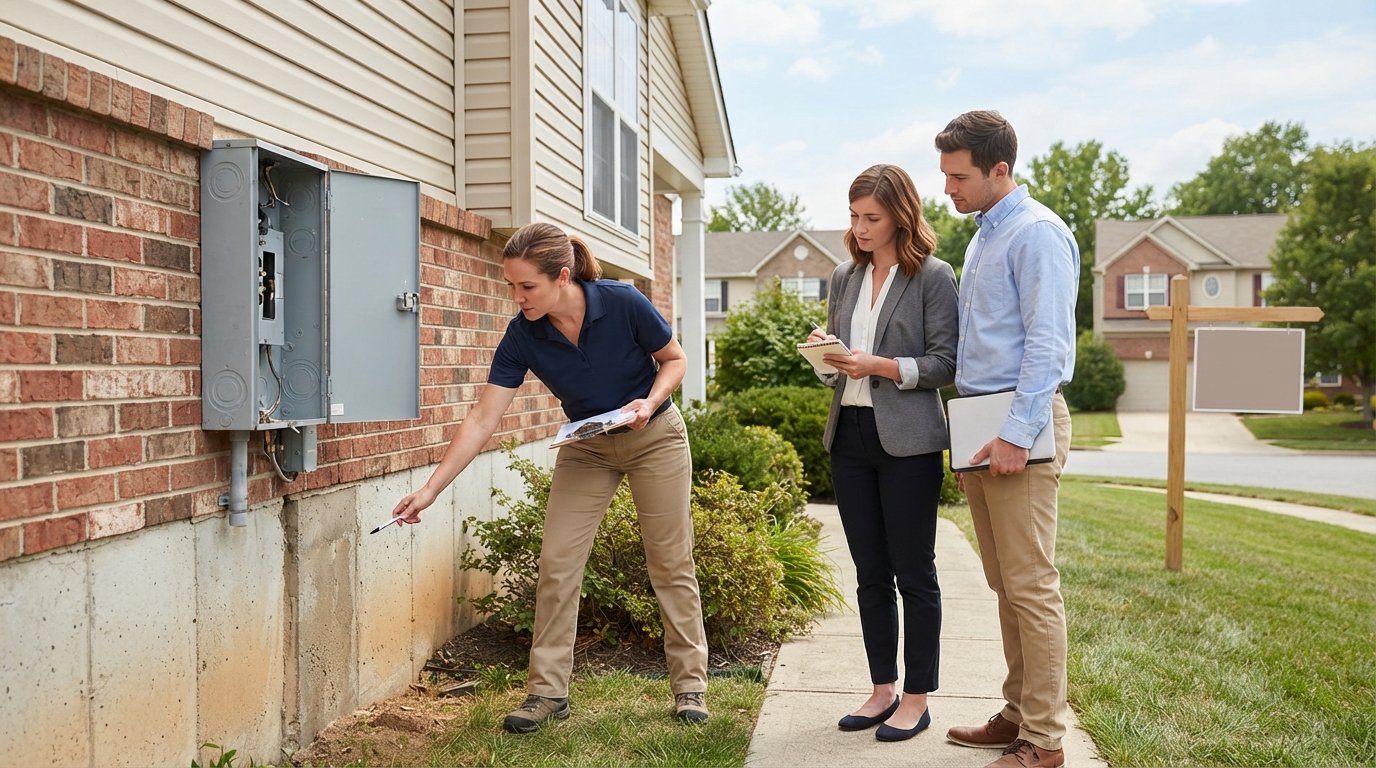
A standard home inspection is a visual, non-invasive examination of the property's major systems and components. The inspector does not tear down walls or dig up foundations. Instead, they look for signs of trouble: water stains, uneven floors, faulty wiring, poor drainage, and aging equipment. The goal is to identify defects, safety hazards, and items that are near the end of their useful life.
Typical inspections include the following areas:
- Roof, shingles, flashing, and gutters
- Foundation, basement, and crawl spaces
- Electrical panel, wiring, outlets, and fixtures
- Plumbing supply lines, drains, water heater, and fixtures
- HVAC systems, including heating, cooling, and ventilation
What the inspection does not cover is just as important. It is not an appraisal, so it does not tell you what the home is worth. It is not a code compliance inspection, so it will not list every minor violation. It does not test for mold, radon, asbestos, or pests unless you pay for those specialized services separately. It also does not guarantee that everything will work forever. An inspection is a snapshot in time, a professional opinion based on what is visible and accessible on the day of the visit.
Some buyers skip the inspection to save a few hundred dollars, especially in competitive markets. That is almost always a mistake. The cost of an inspection is trivial compared to the cost of replacing a sewer line or repairing a foundation. Even if you plan to renovate, you need to know what you are starting with. Lenders may not require an inspection on every loan, but they do require an appraisal, and a bad inspection can still derail the deal if it reveals problems that make the home uninsurable or uninhabitable.
How the Inspection Fits Into the Mortgage Timeline
The inspection usually happens during the due diligence period, after your offer is accepted and before the loan is fully underwritten. This is a critical window. Your real estate contract typically includes an inspection contingency, which gives you the right to walk away or renegotiate if serious problems are found. Once you remove that contingency, you lose most of your leverage.
Here is how the inspection typically fits into the broader mortgage process:
- You make an offer and the seller accepts it.
- You apply for a mortgage and receive a loan estimate.
- You schedule the home inspection within the contingency period.
- The inspector delivers a report, and you review it with your agent.
- You negotiate repairs, credits, or a price reduction with the seller.
- The lender orders an appraisal, which is separate from the inspection.
- Underwriting reviews the file, including any inspection-related repairs.
- You clear conditions, sign closing documents, and fund the loan.
The inspection can influence the mortgage in several ways. If the report reveals major issues, the lender may require them to be fixed before closing. For example, an FHA loan will not close if the home has peeling paint, a broken window, or a non-functional heating system. The seller may agree to make repairs, or you may agree to pay for them yourself. Either way, the lender needs documentation that the work was completed, often in the form of a receipt or a re-inspection report.
If the seller refuses to make repairs and you cannot afford to fix them, you can use your inspection contingency to cancel the contract and get your earnest money back. This is one of the most important protections you have as a buyer. Without it, you could be forced to buy a home with serious defects or lose your deposit. The inspection is not just a report; it is a negotiating tool and a safety net.
Common Repairs That Affect Loan Approval
Not every inspection finding will jeopardize your mortgage. Cosmetic issues like worn carpet or dated fixtures rarely matter to the lender. But certain health and safety issues can stop a loan in its tracks. Lenders and loan programs have specific guidelines, and some are stricter than others.
Here are some of the most common inspection findings that can delay or block mortgage approval:
- Roof damage or active leaks, which can make the home uninsurable
- Foundation cracks or structural movement, which raise concerns about safety and value
- Obsolete or unsafe electrical wiring, such as knob-and-tube or aluminum wiring
- Plumbing leaks, broken pipes, or non-functional water heaters
- HVAC systems that do not heat or cool properly
- Mold, radon, or pest infestations that require specialized remediation
- Peeling paint or chipping lead-based paint on pre-1978 homes (especially for FHA and VA loans)
If any of these issues appear, the lender may require proof of repair before closing. In some cases, the lender will hold back funds in an escrow account until the work is done. In other cases, the loan will simply not fund until the problem is resolved. This is why it is so important to schedule the inspection early and communicate openly with your loan officer and real estate agent.
Understanding your financing options can also help you anticipate how strict the lender will be. Government-backed loans tend to have more property condition requirements than conventional loans. If you are comparing loan types, a resource like LoanFinancing can provide useful context on personal loan and mortgage financing, but your lender's specific guidelines will always be the final word. The key is to treat the inspection as part of your mortgage preparation, not as an afterthought.
Negotiating Repairs Without Derailing Your Loan
Once you have the inspection report in hand, you and your agent will decide how to proceed. You have three basic options: ask the seller to make repairs, ask for a credit toward your closing costs, or walk away. Each option has different implications for your mortgage.
If the seller agrees to make repairs, you will want to ensure the work is done by a licensed professional and that you receive documentation. The lender may require a re-inspection to confirm the repairs were completed. This can add time to your closing timeline, so build in a buffer. If the seller offers a credit instead, you can use that money to pay for repairs after closing, but you will need to ensure the lender approves the credit and that it does not exceed program limits.
Walking away is sometimes the smartest choice. If the inspection reveals extensive problems, such as a failing foundation or widespread mold, the cost of repairs may outweigh the value of the home. Your inspection contingency gives you the right to cancel without penalty, provided you do so within the agreed timeframe. Do not let emotional attachment to the house cloud your judgment. A bad inspection is a warning sign, and there will always be another property.
It is also worth noting that some repairs must be completed before closing, while others can be deferred. For example, a lender may require a new roof before funding, but may allow you to replace a broken appliance after closing. The distinction depends on the loan program and the lender's underwriting guidelines. Your loan officer can tell you exactly what is required and what can wait.
Inspection Versus Appraisal: Why You Need Both
Buyers often confuse the inspection and the appraisal, but they are distinct steps with different purposes. The appraisal is a valuation tool. It tells the lender what the home is worth in the current market. The inspection is a condition tool. It tells you what is wrong with the home and what it will cost to fix.
The appraisal protects the lender from overpaying. If the appraisal comes in lower than the purchase price, you may need to renegotiate or bring more cash to closing. The inspection protects you from buying a money pit. If the inspection reveals major defects, you can renegotiate or walk away. Both are essential, and both can affect your mortgage terms.
In some cases, an inspection can also influence the appraisal. If the inspector finds a serious safety issue, the appraiser may note it and the lender may require repairs before closing. Conversely, a clean inspection can give the appraiser confidence that the home is in good condition, which may support a higher valuation. The two processes work together to give you and your lender a complete picture of the property.
How RateChecker Helps You Stay Informed
Navigating the mortgage process requires more than just a good inspection. You need to understand your loan options, compare rates, and anticipate the costs associated with homeownership. RateChecker is a digital platform that provides real-time mortgage rate comparisons, financial tools, and educational resources for home buyers and homeowners. Whether you are purchasing your first home, refinancing an existing loan, or exploring home equity options, RateChecker can help you compare personalized offers from its network of participating lenders.
RateChecker is not a lender, mortgage broker, or bank. It does not issue loan offers or provide financial advice. Instead, it connects you with tools that help you make informed decisions. You can use its interactive mortgage calculator to estimate monthly payments, read FAQs about down payments and loan types, and access step-by-step guides that explain the mortgage process in plain language. The platform emphasizes transparency, so you always know that rate quotes and terms come directly from the lenders in its network.
If you are in the middle of a home purchase and waiting for inspection results, take a moment to review your financing options. A small difference in your interest rate can save you tens of thousands of dollars over the life of the loan. By combining a thorough inspection with smart mortgage shopping, you put yourself in the strongest possible position to protect your investment.
The home inspection role in the mortgage process is ultimately about risk management. It protects you from hidden defects, gives you leverage in negotiations, and ensures the lender is funding a safe, insurable property. Do not skip it. Do not rush it. And do not be afraid to walk away if the report reveals problems you are not prepared to handle. With the right preparation and the right tools, you can move through the mortgage process with confidence, knowing that you have done everything possible to make a sound financial decision.