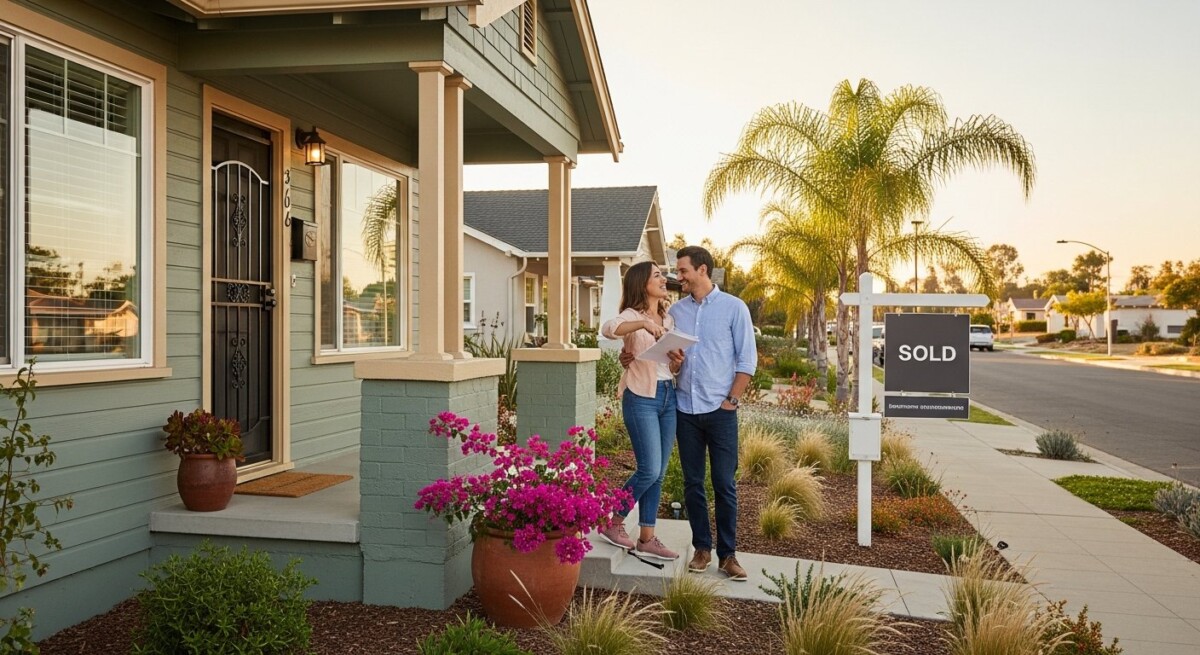
Imagine finding your dream home in California, only to realize the biggest hurdle isn’t the monthly payment,it’s the upfront cash. You are not alone. Many first-time buyers start researching down payment assistance programs for first time home buyers in California when they realize saving 20% is tough in today’s market. Whether you plan to buy a home, refinance an existing loan, or simply lower your monthly payments, understanding these programs can open doors you thought were closed.
Understanding Down Payment Assistance Programs for First Time Home Buyers in California
Down payment assistance (DPA) programs provide grants or low-interest loans to help you cover the upfront cost of buying a home. In California, these programs are offered by state agencies, local housing authorities, and even some lenders. The goal is simple: make homeownership accessible for people who have steady income but lack a large cash reserve.
Most DPA programs target first-time buyers,defined as someone who hasn’t owned a home in the past three years. You typically need a credit score of at least 640, a stable job, and a debt-to-income ratio below 45%. The assistance can range from 3% to 10% of the purchase price, and it often comes as a forgivable loan if you stay in the home for a set number of years.
How These Programs Work in Practice
When you qualify for a DPA program, the funds are applied directly to your down payment and closing costs. You still need a mortgage from a lender, but the assistance reduces the amount you must bring to the table. For example, on a $400,000 home, a 5% down payment is $20,000. If you receive $15,000 in assistance, you only need $5,000 from your own savings.
Programs vary by county and city. The California Housing Finance Agency (CalHFA) offers several state-wide options, while local cities like Los Angeles, San Diego, and Sacramento have their own funds. Always check both state and local resources because each has different income limits and property price caps.
Why Mortgage Rates and Loan Terms Matter
Even with down payment help, the interest rate on your mortgage determines how much you pay every month. A lower rate means lower payments and more money left for savings, repairs, or emergencies. A higher rate can strain your budget even if you put zero down.
Loan terms also matter. A 30-year fixed mortgage gives you predictable payments for three decades. A 15-year term costs less in interest but requires a higher monthly payment. Your choice affects how much house you can afford and how quickly you build equity.
Using a tool like RateChecker’s mortgage calculator can help you see how different rates change your payment. If you compare a 6.5% rate versus a 7.0% rate on a $350,000 loan, the difference is about $115 per month. Over 30 years, that adds up to over $41,000 in extra interest.
If you are exploring home financing options, comparing lenders can help you find better rates. Request mortgage quotes or call to review available options.
Common Mortgage Options
Most first-time buyers use one of several loan types when combining them with down payment assistance. Each loan has different rules about credit scores, down payments, and mortgage insurance. Understanding these options helps you pick the right fit.
Here are the most common mortgage types for California buyers:
- Fixed-rate mortgages , Your interest rate stays the same for the entire loan term. This option gives you stable, predictable payments and is the most popular choice for first-time buyers.
- Adjustable-rate mortgages (ARMs) , The rate starts lower than a fixed mortgage but can change after a set period, usually 5, 7, or 10 years. ARMs can save money if you plan to move or refinance before the rate adjusts.
- FHA loans , Insured by the Federal Housing Administration, these loans allow down payments as low as 3.5% and accept credit scores as low as 580. They work well with DPA programs because the low-down-payment requirement is already built in.
- VA loans , Available to veterans, active-duty service members, and eligible spouses. VA loans require zero down payment and have no monthly mortgage insurance. Many DPA programs can be used alongside VA loans to cover closing costs.
- Refinancing loans , If you already own a home, refinancing can lower your rate or switch your loan type. Some DPA programs are available for refinancing if you need help covering closing costs.
Read more about these options in our guide to best home loans for first time buyers.
How the Mortgage Approval Process Works
The mortgage approval process can feel overwhelming, but breaking it into clear steps makes it manageable. Lenders evaluate your financial health to decide if you can repay the loan. Being prepared speeds up the process and improves your chances of approval.
- Credit review , Lenders pull your credit report and score. A score of 620 or higher is typical for conventional loans, while FHA loans accept scores as low as 580. Check your credit report for errors before applying.
- Income verification , You provide pay stubs, tax returns, and bank statements. Lenders look for steady employment and enough income to cover the mortgage payment plus other debts.
- Loan pre-approval , The lender gives you a letter stating how much you can borrow. Pre-approval shows sellers you are a serious buyer and helps you shop for homes within your budget.
- Property evaluation , An appraiser assesses the home’s value to ensure it is worth the loan amount. The appraisal protects the lender and helps you avoid overpaying.
- Final loan approval , The underwriter reviews all documents and clears the loan. You receive a closing disclosure with the final terms, and you sign papers to complete the purchase.
Speaking with lenders can help you understand your eligibility and available loan options. Compare mortgage quotes here or call to learn more.
Factors That Affect Mortgage Approval
Lenders do not approve everyone who applies. They use specific criteria to assess risk. Knowing what they look for helps you strengthen your application before you submit it.
- Credit score , Higher scores qualify for better rates and more loan options. Paying bills on time and keeping credit card balances low improves your score over time.
- Income stability , Lenders prefer borrowers with at least two years of consistent income. If you are self-employed, you may need to provide extra documentation like profit-and-loss statements.
- Debt-to-income ratio (DTI) , This compares your monthly debt payments to your gross monthly income. Most lenders want a DTI below 43%. Paying off small debts before applying can lower your DTI.
- Down payment amount , A larger down payment reduces the lender’s risk and may eliminate the need for mortgage insurance. With DPA programs, your effective down payment can be higher than what you save.
- Property value , The home must appraise for at least the purchase price. If it appraises lower, you may need to renegotiate or bring more cash to close the deal.
What Affects Mortgage Rates
Mortgage rates change daily based on economic factors, but your personal financial profile also influences the rate you receive. Understanding these factors helps you time your application and improve your chances of getting a low rate.
Market conditions, such as inflation and the Federal Reserve’s policies, set the baseline for mortgage rates. When the economy grows quickly, rates tend to rise. When growth slows, rates often drop. You cannot control the market, but you can choose when to lock your rate.
Your credit profile, loan term, and property type also matter. A higher credit score, a shorter loan term, and a single-family home typically lead to lower rates. For the best rate, shop around,different lenders offer different rates for the same borrower. Our guide on best mortgage rates for buyers with good credit explains how to compare offers effectively.
Mortgage rates can vary between lenders. Check current loan quotes or call to explore available rates.
Tips for Choosing the Right Lender
Not all lenders are the same. The right lender makes the process smooth and saves you money. The wrong lender can cost you thousands in extra fees or a higher rate. Take time to evaluate your options.
- Compare multiple lenders , Get quotes from at least three lenders, including a bank, a credit union, and an online lender. Rates and fees can differ by 0.5% or more.
- Review loan terms carefully , Look beyond the interest rate. Check the annual percentage rate (APR), which includes fees, and read the fine print about prepayment penalties.
- Ask about hidden fees , Some lenders charge application fees, processing fees, or underwriting fees. Request a loan estimate and compare the “total closing costs” section.
- Check customer reviews , Read online reviews on sites like the Better Business Bureau or Google. Look for complaints about slow communication or last-minute changes to terms.
If you want to see how different rates affect your monthly payment, use the RateChecker mortgage calculator to run your numbers.
Long-Term Benefits of Choosing the Right Mortgage
The mortgage you choose today affects your finances for years to come. Making a smart choice now can save you tens of thousands of dollars and give you more financial freedom.
Lower monthly payments leave room in your budget for retirement savings, home repairs, or travel. A fixed-rate mortgage protects you from rising payments if interest rates go up. Over time, building equity gives you the option to borrow against your home for major expenses or sell for a profit.
Choosing the right loan also helps you plan for the future. If you expect your income to grow, a 15-year mortgage might work. If you value flexibility, a 30-year mortgage with extra payments gives you both lower minimum payments and the ability to pay off the loan faster.
Frequently Asked Questions
What is a down payment assistance program in California?
A down payment assistance program provides grants or low-interest loans to help first-time buyers cover their down payment and closing costs. These programs are offered by state agencies like CalHFA and local housing departments. You must meet income and credit requirements to qualify.
Do I need perfect credit to qualify for down payment assistance?
No, but better credit helps. Most programs require a minimum credit score of 640, though some local programs accept scores as low as 600. If your credit is lower, consider improving it before applying or look for FHA loans that pair with DPA programs.
Can I use down payment assistance with an FHA loan?
Yes, you can combine DPA with FHA loans in most cases. FHA loans already allow a low 3.5% down payment, and adding assistance can cover the rest. Check with your lender to ensure the specific DPA program is compatible with FHA guidelines.
How much down payment do I need with assistance?
It depends on the program and the home price. Some programs cover the entire down payment, while others cover a percentage. For example, a program that offers 5% assistance on a $400,000 home gives you $20,000 toward the down payment, reducing your cash needed to zero if the down payment requirement is 5%.
Is down payment assistance a loan or a grant?
It can be either. Grants do not need to be repaid. Loans are often forgivable if you stay in the home for a certain period,typically 3 to 5 years. If you sell or move before that time, you may need to repay part or all of the assistance.
What is the income limit for California down payment assistance?
Income limits vary by county and program. In high-cost areas like Los Angeles or San Francisco, the limit may be 120% of the area median income. In lower-cost areas, it may be 80%. Check CalHFA’s website or your local housing authority for specific numbers.
Can I use down payment assistance for a condo or townhouse?
Yes, many programs allow condos and townhouses as long as the property meets certain conditions. The home must be your primary residence, and the condo complex must have approved FHA or conventional loan status. Check with the program administrator for property eligibility.
How long does the approval process take for DPA programs?
Approval timing depends on the program and lender. Some programs pre-approve you within a few days, while others take several weeks. To speed things up, gather your tax returns, pay stubs, and bank statements before applying. Working with a lender experienced in DPA programs can also help.
Buying a home in California is a big step, but down payment assistance programs make it possible for many first-time buyers. The key is to research your options, compare lenders, and get pre-approved before you start house hunting. Use tools like RateChecker to find the best rates and programs for your situation.